How does nutrient composition in groundwater flow affect coastal ocean primary production?
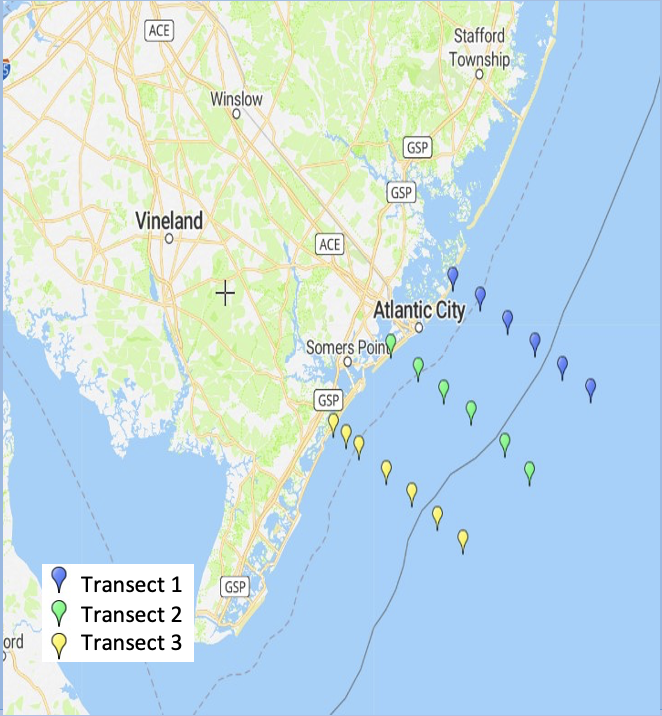
Investigating nutrient transport via submarine groundwater discharge using ship-based, groundwater, and radioisotope sampling.
Overview
Researching the interaction between groundwater discharge and the coastal ocean is crucial because it transports key nutrients—particularly nitrate, phosphate, and ammonia—that help sustain phytoplankton and fisheries. In this study, we focused on understudied links between anthropogenic activity and the outflow of nutrients in groundwater, with implications for coastal ecosystem productivity and resilience.
My role
- Conducted ship-based ocean sampling and shore/nearshore groundwater sampling.
- Applied radioisotope tracers as effective indicators of groundwater inputs.
- Built hands-on experience with groundwater, radioisotope, and marine chemistry techniques.
- Organized field notes, metadata, and initial QA for downstream analyses.
Tech & methods
- Field: ocean and groundwater sampling to characterize nutrient composition.
- Analytical: nutrient measurements (NO₃⁻, PO₄³⁻, NH₄⁺) and radioisotope tracers for groundwater contributions.
- Synthesis: relate nutrient signatures to potential anthropogenic influences affecting outflow.
Results
- The work targeted how increased human activity may alter nutrient export from groundwater to coastal waters, with consequences for primary production.
- A key takeaway is the need for advances in real-time monitoring to better resolve dynamic groundwater–ocean interactions under diverse anthropogenic pressures.
× ![]()